The Heart of Europe Beats Non-Formal


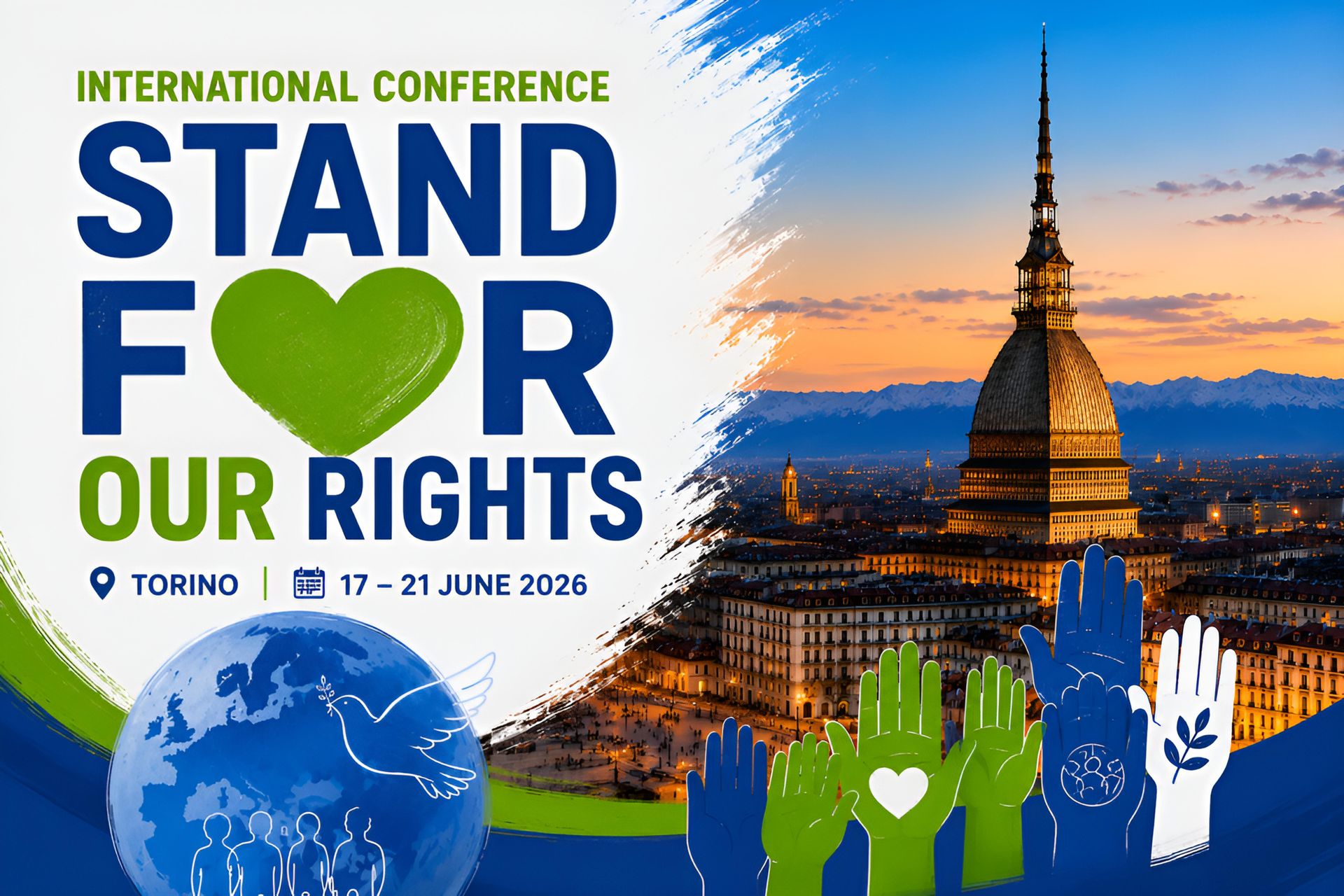
For three days in Turin, youth workers, young people, educators and activists from across Europe came together to discuss one essential question: how do we protect democratic values and human rights in a time when public spaces for dialogue are increasingly under pressure?
Through the European school partnership projects I have implemented over the years, I have often experienced the limits of cooperation within formal education. Educational systems remain deeply different. Some are centralized, others decentralized. Curricula, regulations and decision-making structures vary enormously from one country to another. Meaningful change within formal education is often slow, fragmented and constrained by national realities.
Yet in Turin, something remarkable became visible!
Beyond ministries, regulations and curricula, Europe speaks a common language when it comes to non-formal education. Diversity is not an obstacle but a strength. People from Armenia, Spain, Italy, Finland, Turkey, Poland, Portugal, France, Georgia, Greece, Azerbaidjan, Tunisia or Romania can sit at the same table and discuss the same values using the same democratic principles.
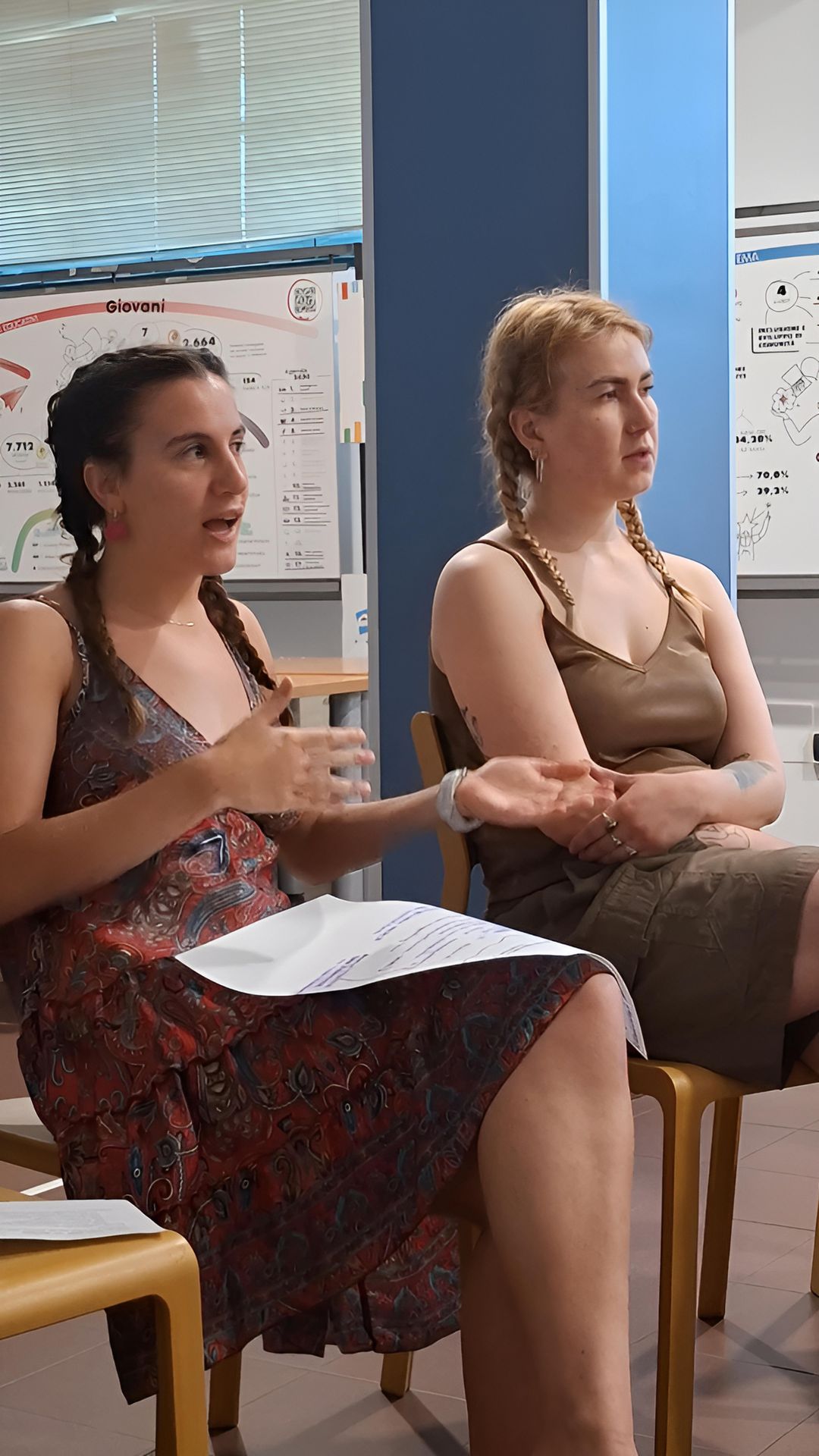
In this space, THE HEART OF EUROPE BEATS NON-FORMAL!
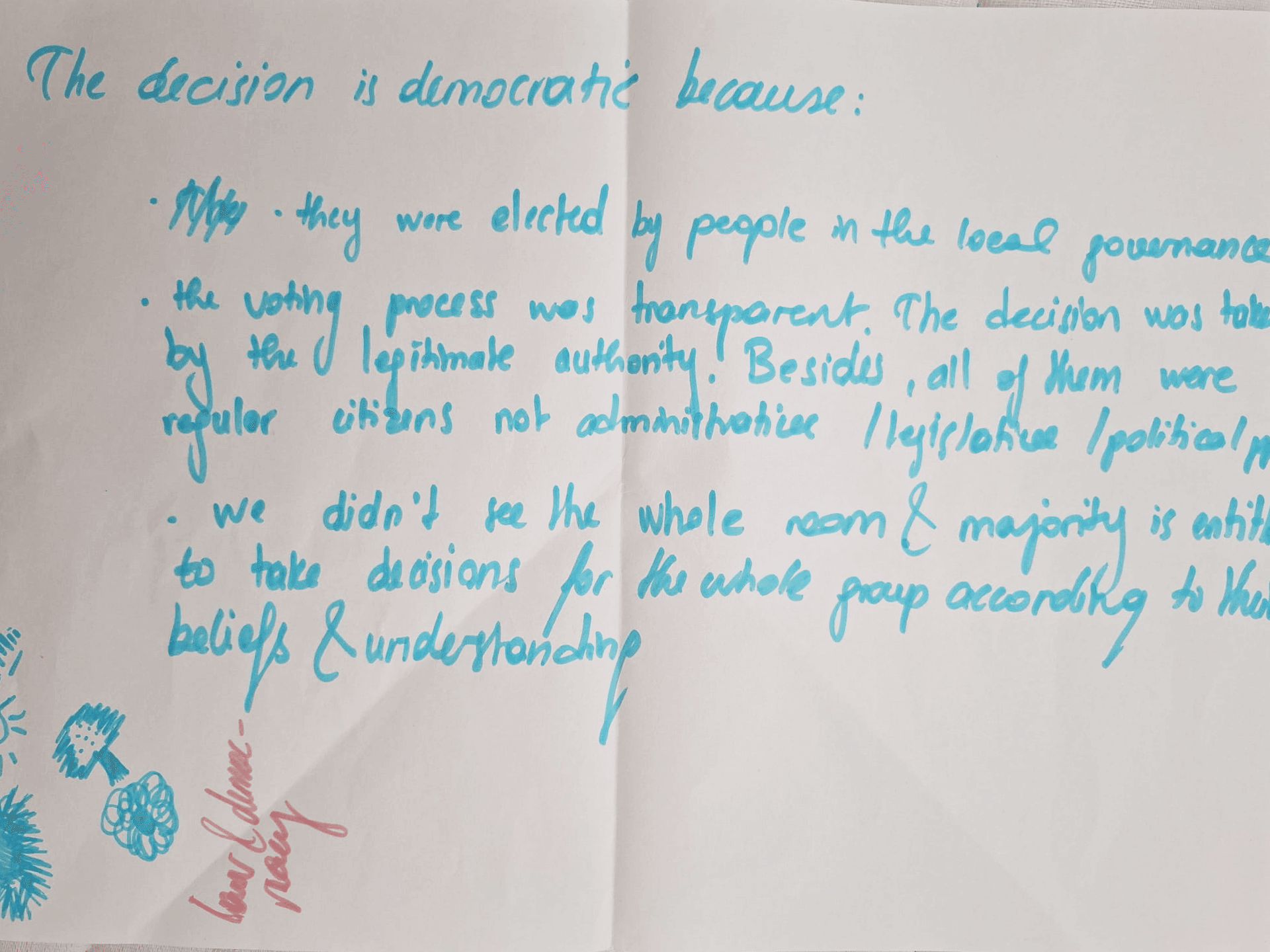
CERTA contributed to the conference through the workshop “The Halit Incident: Can a Majority Silence Questions?”, a real-life human rights case study based on events that took place in Romania in January 2026. Participants analysed an authentic public meeting, debated whether majority rule can sometimes conflict with democratic values, and reflected on the relationship between freedom of expression, transparency, public participation and democratic accountability.
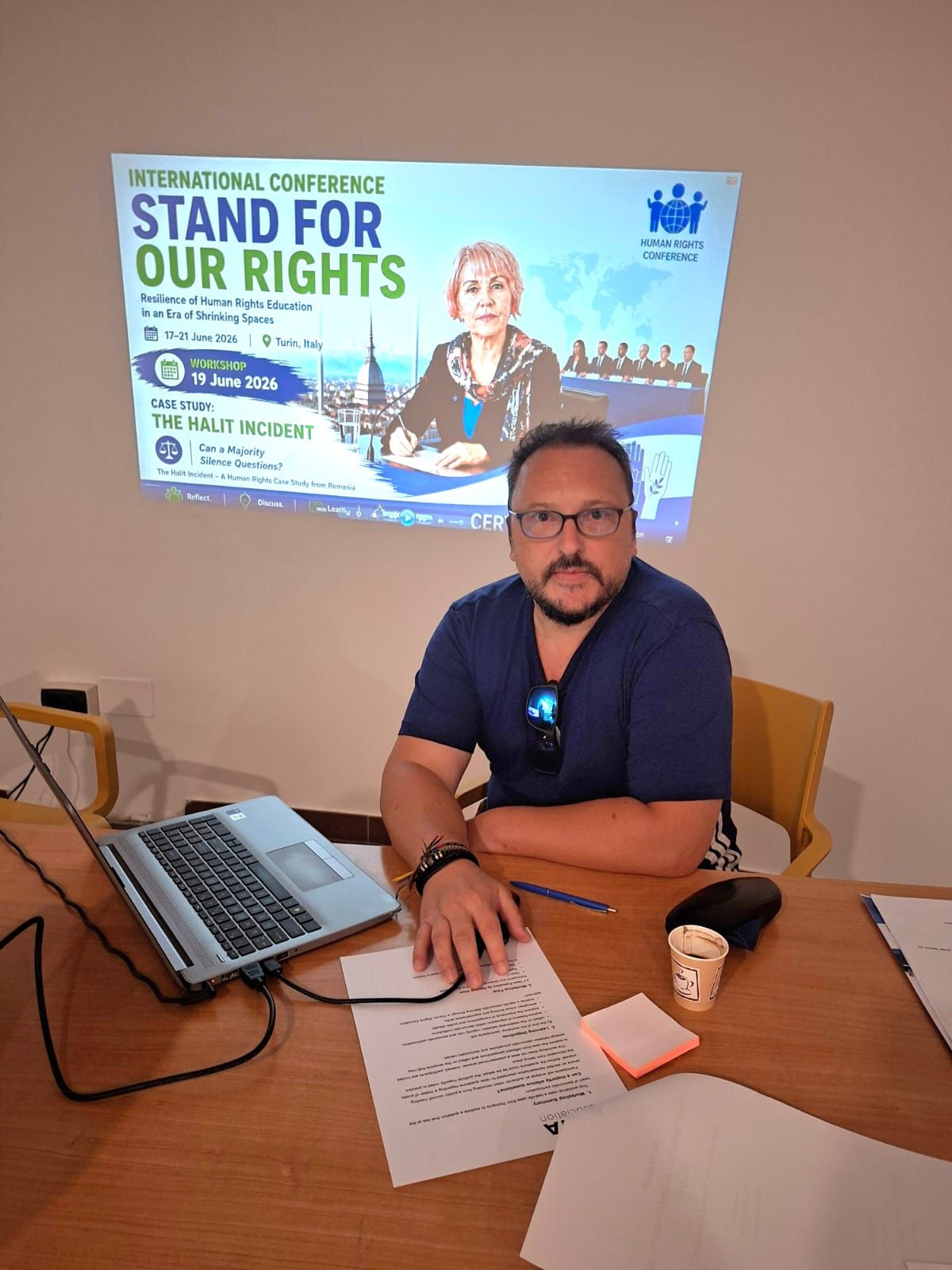
The conclusions reached by participants were both powerful and encouraging.
Participants highlighted the danger of what they called “illiberal democracy”, warning that democratic procedures can sometimes be used to silence minority voices.
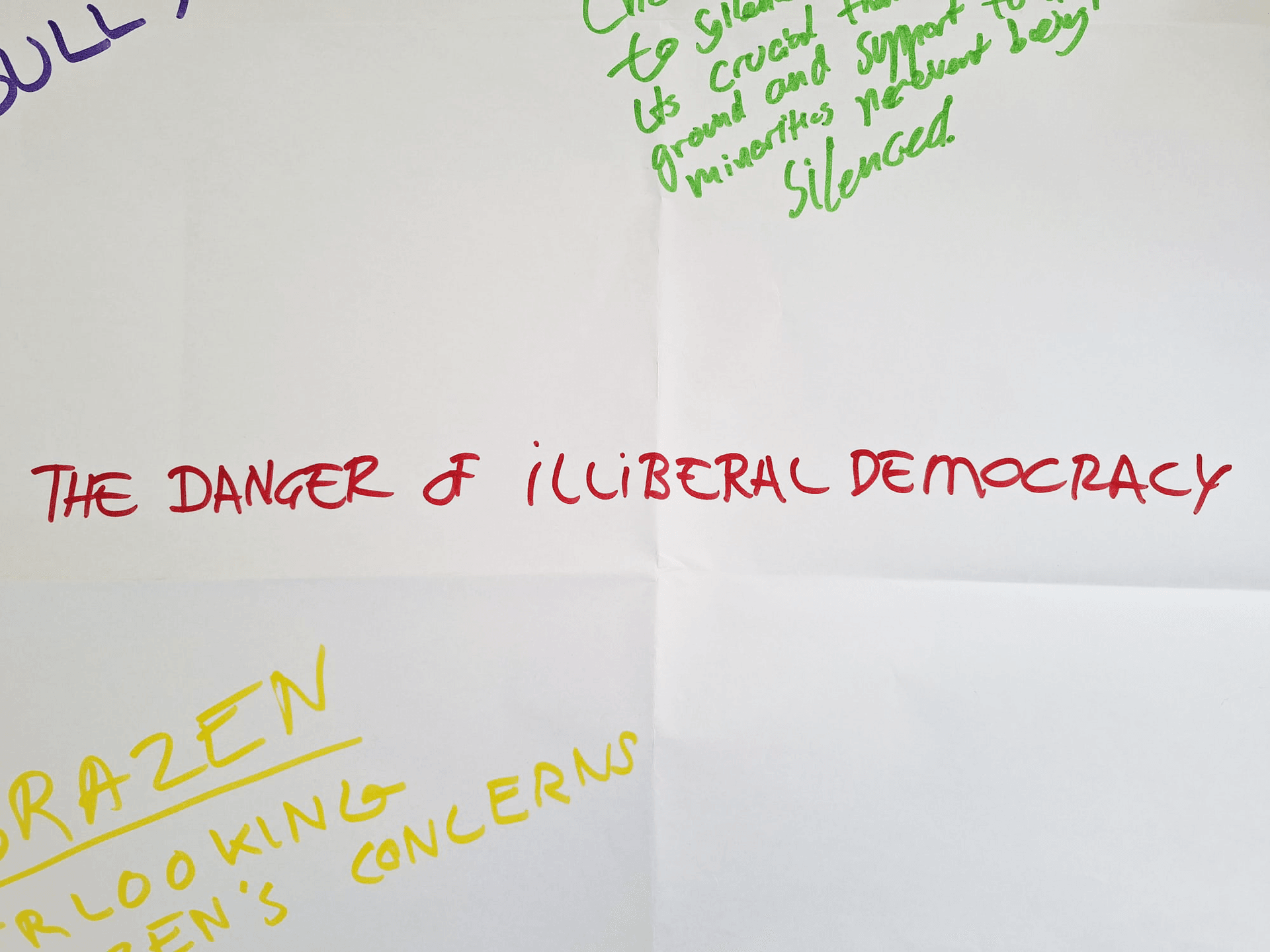
Others stressed that voting alone does not automatically make a decision democratic if transparency, participation and fundamental rights are ignored. Participants repeatedly returned to the importance of freedom of expression, public scrutiny of institutions and the right of citizens to ask questions.
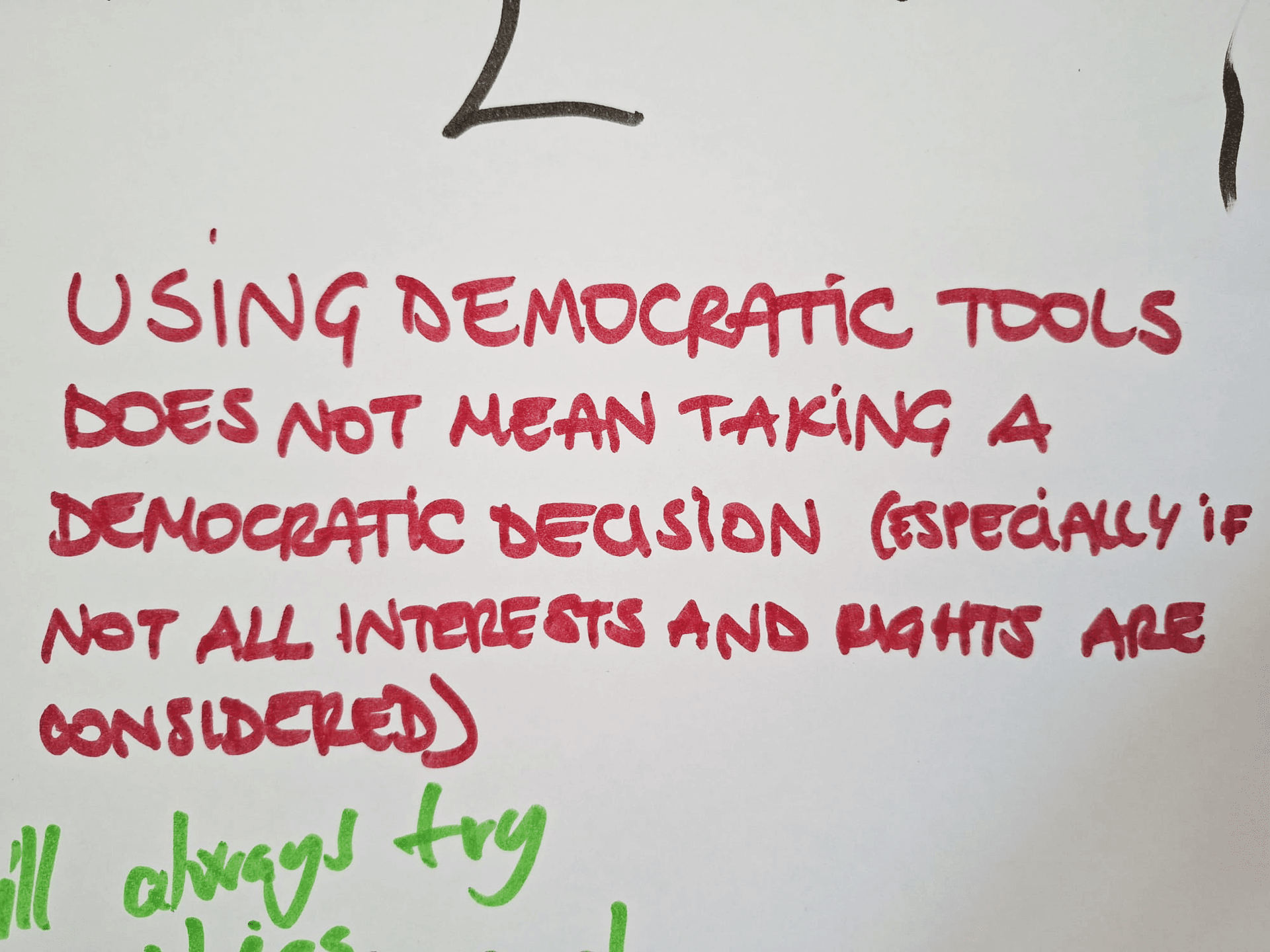
Participants identified risks such as the silencing of minority opinions, the exclusion of citizens from decision-making processes, the erosion of transparency and the weakening of trust between institutions and society.
At the same time, they emphasized that democracy remains strongest when different voices can be heard, challenged and respected.
Perhaps the most inspiring part of the experience was not the workshop itself, but the people in the room.
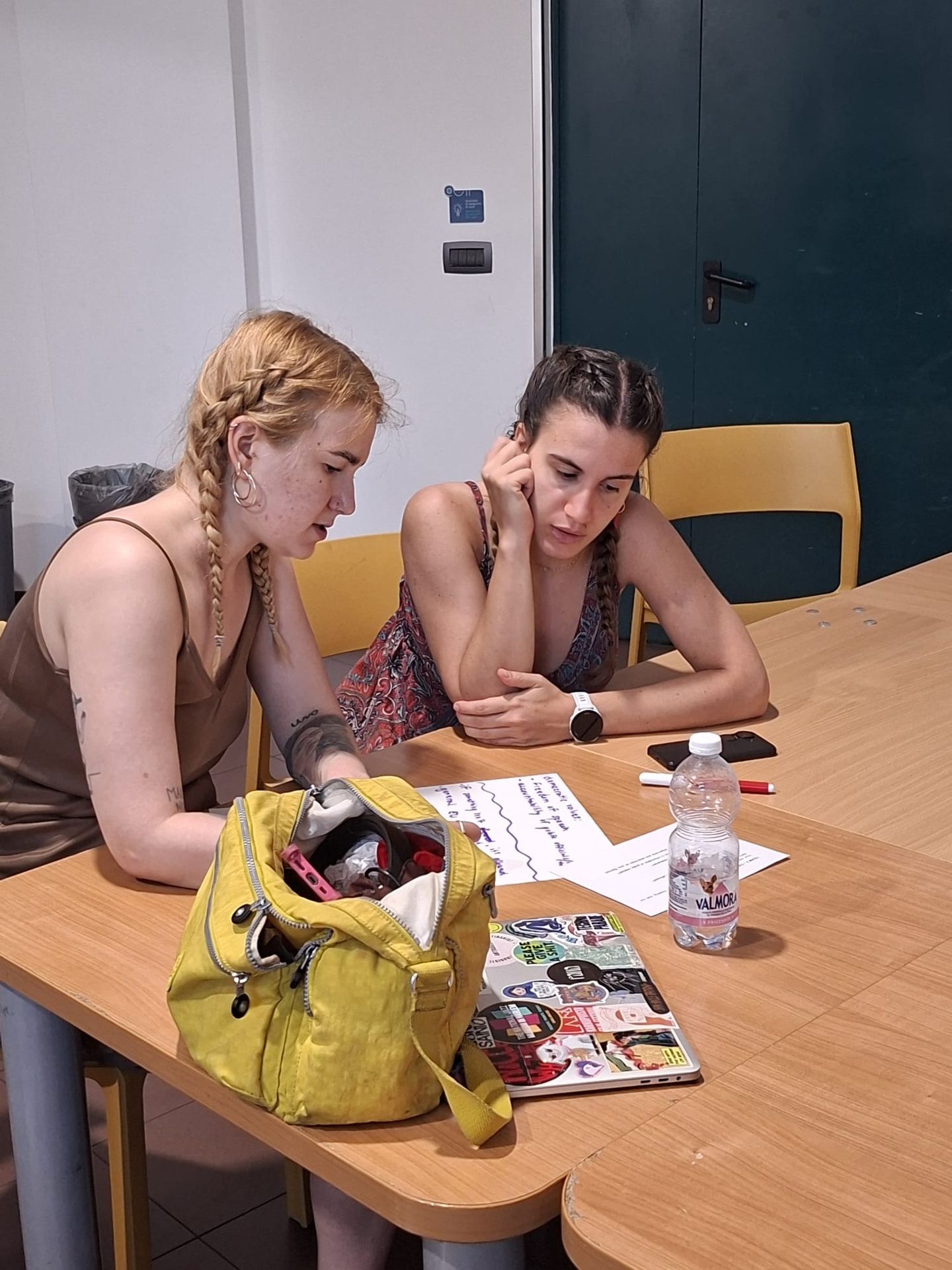
Beautiful, smart people from very different backgrounds demonstrated an extraordinary capacity for critical thinking, dialogue and empathy. They disagreed, challenged each other, defended their arguments or just listened carefully to opposing views.
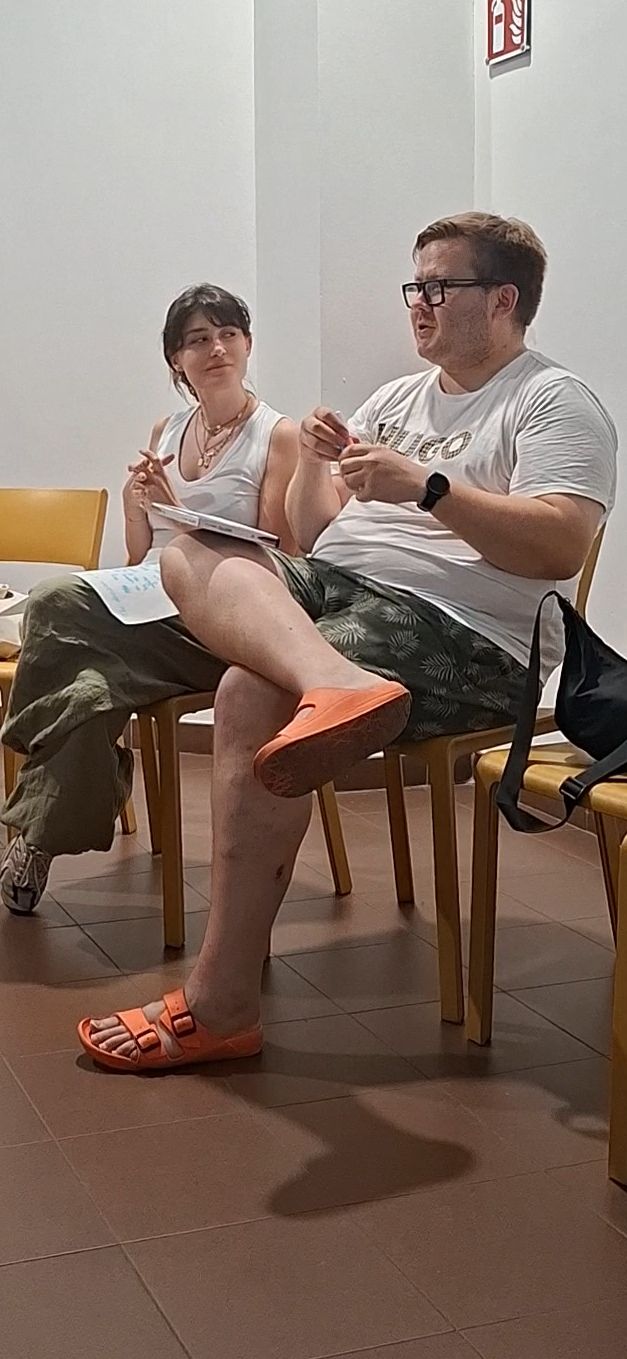
For CERTA, the conference was not simply an international event. It was an opportunity to invest in a new generation of civic and educational leaders, creating a space where young people could learn from others, exchange ideas and experience European cooperation beyond institutions and policies.
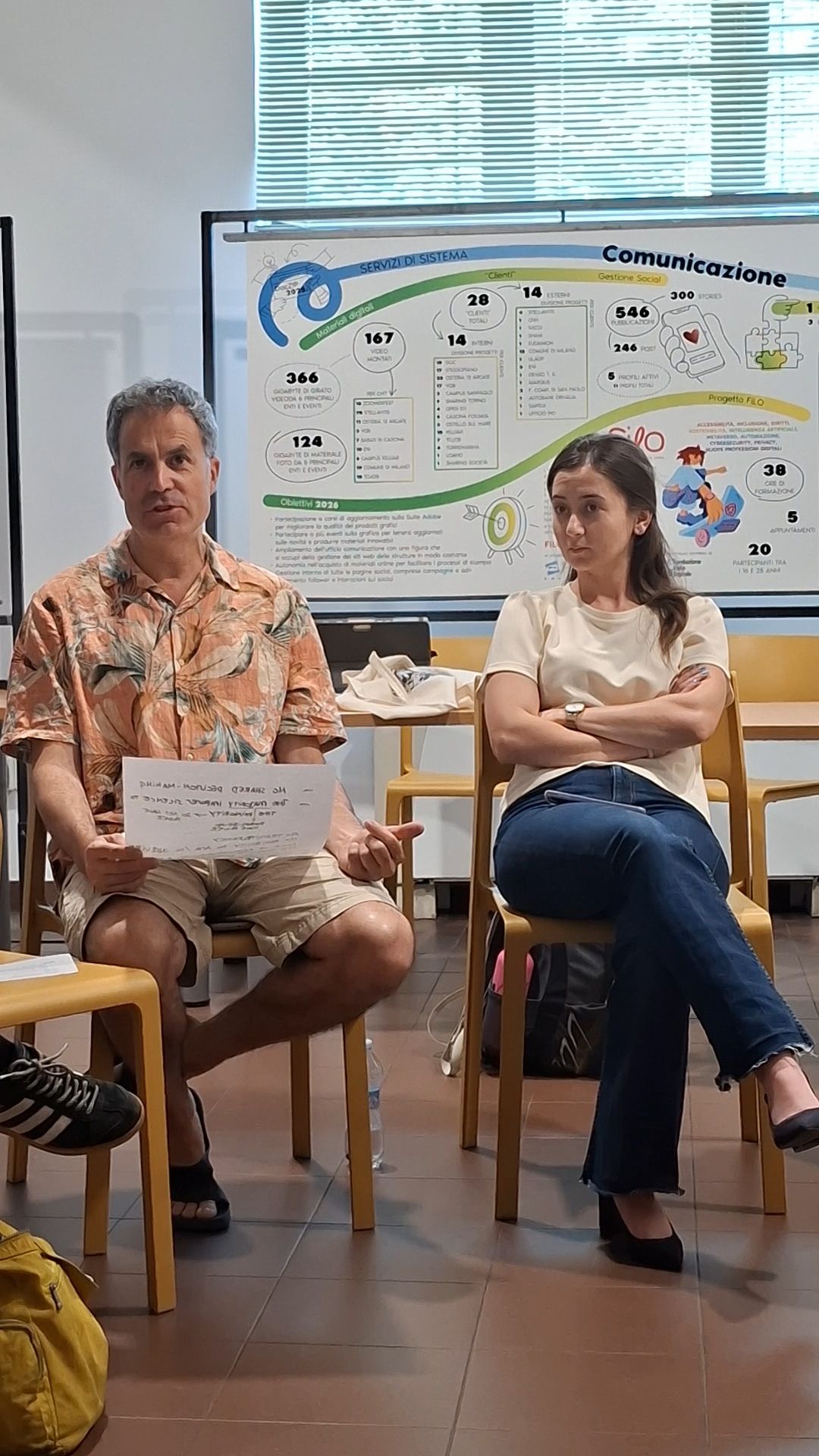
For me personally, this conference marked a return to the world of non-formal education after nearly a decade in formal education, reminding me that while institutions may shape systems, it is people, dialogue and shared experiences that truly shape Europe! Even through a rusty English unused for a very long time :(
Mihai, CERTA - Continuing Education, Resources & Training Association
Turin, Italy | June 2026